
Outdoor Linear Drains: Stainless Steel Solutions for Alfresco Areas, Pools, and Driveways
Outdoor linear drains are specialized drainage systems designed to efficiently manage water runoff in various outdoor environments, including alfresco areas, swimming pools, and driveways. Unlike traditional point drains, which are often limited in their ability to collect water, linear drains utilize a long, narrow design that allows for more comprehensive water capture along a continuous line
7/18/20267 min read

Understanding Outdoor Linear Drains
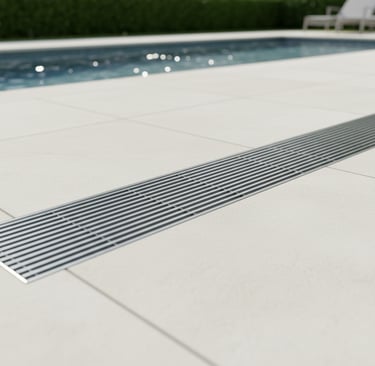
Outdoor linear drains are specialized drainage systems designed to efficiently manage water runoff in various outdoor environments, including alfresco areas, swimming pools, and driveways. Unlike traditional point drains, which are often limited in their ability to collect water, linear drains utilize a long, narrow design that allows for more comprehensive water capture along a continuous line. This is particularly beneficial in preventing water accumulation and subsequent flooding in outdoor spaces.
Functionally, outdoor linear drains channel rainwater and other runoff directly away from surfaces, efficiently directing it to an appropriate drainage outlet. Their design typically incorporates a grate that sits above the drainage channel, allowing water to flow into the drain while preventing debris and larger particles from clogging the system. This helps maintain effective water flow and reduces the likelihood of blockages that can hinder traditional drainage methods.
The importance of outdoor linear drains is underscored by their ability to facilitate proper water management in residential and commercial settings. For instance, in pool areas, these drains not only prevent excess water from collecting around the pool but also help to protect surrounding landscapes and hardscapes from erosion caused by surface runoff. In driveways, they can effectively manage water during heavy rainfall, ensuring that the surface remains safe and accessible.
In summary, outdoor linear drains represent an essential advancement in drainage technology, improving water management and flooding prevention in outdoor spaces. Their design and functionality set them apart from traditional drainage systems, making them an invaluable addition to any outdoor area that requires efficient runoff management.
The Advantages of Stainless Steel in Drain Design
Stainless steel has emerged as a preferred material in the design and construction of outdoor linear drains, particularly in alfresco areas, pools, and driveways. One of the primary advantages of stainless steel is its remarkable durability. This material exhibits a high degree of strength, enabling it to withstand heavy loads and physical impacts, which is particularly beneficial in environments with frequent vehicular or foot traffic.
Another significant attribute is stainless steel's resistance to corrosion. Unlike other materials, stainless steel doesn’t rust or degrade when exposed to moisture or harsh elements, making it an ideal choice for outdoor applications where drainage systems are constantly subjected to rain, dirt, and other weather conditions. This resistance ensures longevity, which translates to reduced maintenance costs and fewer replacements over time.
The aesthetic appeal of stainless steel also cannot be overlooked. Its sleek and modern appearance makes it suitable for various design styles, from contemporary patios to more traditional outdoor spaces. Stainless steel linear drains can enhance the overall visual appeal of the area while also blending seamlessly with other materials commonly used in outdoor settings.
Additionally, stainless steel has the capability to withstand harsh weather conditions, including extreme temperatures and UV exposure. Unlike plastic materials, which can become brittle or discolored over time, stainless steel remains intact and retains its original appearance, ensuring that outdoor linear drains continue to perform effectively while remaining visually appealing.
In conclusion, the advantages of stainless steel in drain design offer a comprehensive solution for outdoor drainage needs, combining durability, corrosion resistance, aesthetic value, and weather resilience, making it the ideal choice for alfresco spaces, pools, and driveways.
Design Considerations for Alfresco Areas
Integrating linear drains into alfresco areas presents several pivotal considerations that must be addressed to ensure both functionality and aesthetics. One of the foremost factors is the drainage layout. A well-planned drainage system can effectively manage rainwater and prevent pooling, thus reducing surface slip hazards and potential property damage. Prior to installation, it is essential to analyze the site's topography and drainage patterns to devise a layout that encourages efficient water flow toward the linear drains.
Another critical aspect is the aesthetic integration of the linear drains with the overall outdoor design. Selecting stainless steel solutions for linear drains can enhance the modern appeal of alfresco spaces while promoting durability and resistance to corrosion. Designers should choose drain styles and finishes that complement the surrounding materials, such as decking, tiles, or landscaping elements. By harmonizing the drainage system with the aesthetic of the area, it can blend seamlessly into the environment rather than detract from the outdoor experience.
In addition to layout and aesthetics, compliance with local regulations is a significant factor that cannot be overlooked. Various municipalities impose specific guidelines regarding drainage systems to ensure public safety and environmental protection. Prior to the installation of linear drains, it's prudent to consult local building codes and permits to verify that the selected materials and design conform to applicable standards. Failure to adhere to these regulations can lead to penalties and potential rework, underscoring the importance of integrating proper drainage solutions from the outset.
Ultimately, careful consideration of drainage layout, aesthetic integration, and compliance with local codes will foster an efficient water management system within alfresco areas, contributing to both safety and visual appeal.
Installing Linear Drains Around Pools
When it comes to enhancing the functionality and safety of swimming pools, the installation of linear drains is crucial. These drainage systems not only facilitate the efficient removal of excess water but also prevent the accumulation of debris, ensuring a clean and inviting environment for swimmers. Proper installation practices are essential to achieve both aesthetic and practical benefits.
One of the primary considerations when installing linear drains around pools is the implementation of an appropriate slope. A minimum slope of 1% is recommended to ensure that water flows effectively into the drain, preventing pooling around the edges. This slope should be directed towards the linear drain to facilitate the swift removal of water. During installation, care must be taken to maintain this gradient consistently, as variations can lead to stagnant water, posing safety risks to swimmers.
Furthermore, it is essential to select linear drains that are specifically designed for poolside applications. Such drains may feature grates that are slip-resistant, which help minimize the risk of slips and falls in wet conditions. The material of the drain system, commonly stainless steel, is favored for its durability and resistance to corrosion, especially in environments subjected to chemicals from pool maintenance.
In addition to ensuring proper slope and material selection, it is important to install debris traps within the drainage system. These traps effectively catch leaves and other materials before they block the linear drain, thus maintaining unobstructed water flow. Regular maintenance, including cleaning the grates and checking the functionality of the traps, is also vital to ensure the long-term effectiveness of the drainage system.
By adhering to these best practices in the installation of linear drains around pools, property owners can create a safer, cleaner, and more attractive swimming environment while maximizing the longevity and performance of their drainage solutions.
Using Linear Drains in Driveways
Linear drains, known for their efficiency in managing water flow, are increasingly recognized as an essential component in driveway design. By integrating stainless steel linear drains into driveways, property owners can effectively channel water away from vehicles, significantly reducing the risk of pooling water. This is particularly important for maintaining the integrity of the driveway surface, as standing water can lead to instability and premature deterioration.
Heavy rainfall can pose a considerable challenge for driveways, often leading to flooding and erosion if not properly addressed. Implementing linear drains aids in diverting excess water to designated drainage points, thereby maintaining a dry and stable driving surface. The sleek design of stainless steel linear drains, which seamlessly integrates into the existing driveway structure, also ensures that aesthetics are not compromised while enhancing functionality.
The longevity of a driveway can be significantly influenced by an effective drainage system. Water pooling can cause cracks, heaving, and various forms of surface damage that can necessitate costly repairs. By utilizing linear drains, homeowners can alleviate such issues, leading to lower long-term maintenance costs and extended lifespan of the driveway. Moreover, the strategic placement of drains can further optimize the drainage system, preventing water from accumulating in areas that would typically be vulnerable.
Incorporating linear drains into driveways not only enhances water management but also promotes a safer environment for vehicles and pedestrians. When designed and installed correctly, a stainless steel linear drain will serve as a robust solution, ensuring that water is effectively routed away from vulnerable areas.
Maintenance of Outdoor Linear Drains
Maintaining outdoor linear drains, particularly those made from stainless steel, is essential to ensure their functionality and longevity. Regular upkeep not only prevents clogs and blockages but also safeguards against costly repairs or replacements. The following guidelines outline effective maintenance practices for these drainage systems.
First and foremost, routine cleaning is vital. It is recommended to inspect and clean the drain grates and the trench at least once a month. Clear any debris, such as leaves, dirt, or small stones, that may accumulate over time. A soft-bristled brush can facilitate the removal of stubborn dirt without scratching the stainless steel surface. Additionally, periodically rinsing the drains with water can help maintain their appearance and functionality, preventing the buildup of grime.
In the event of a clog, it is essential to address it promptly. If water flow is slow or obstructed, utilize a drain snake or a plumber's auger to dislodge blockages. For minor clogs, a simple solution of vinegar and baking soda may effectively clear the issue. Pouring this mixture into the drain can help dissolve any organic material that may be causing the obstruction. After the mixture has settled for a while, flush it with hot water to wash away any remnants.
To extend the life of stainless steel linear drains, consider applying a protective sealant annually. This practice can prevent discoloration and corrosion, preserving the drain's aesthetic appeal. Furthermore, keep an eye on the drain's alignment; any signs of shifting or settling may indicate underlying issues, necessitating immediate professional evaluation to avoid further complications.
By adhering to these maintenance practices, homeowners can enhance the durability and efficiency of their outdoor linear drains, ensuring they serve effectively in both alfresco areas and driveways for years to come.
Conclusion: Choosing the Right Drainage Solution
When selecting a drainage solution for outdoor spaces, the benefits of installing outdoor linear drains, particularly in settings such as alfresco areas, pools, and driveways, cannot be overstated. These systems are designed to effectively manage water flow, preventing pooling and minimizing the risk of water damage to surrounding structures and landscaping. Their sleek and modern appearance not only enhances the aesthetic appeal of outdoor environments but also provides functional advantages by promoting efficient drainage.
Opting for stainless steel outdoor linear drains introduces an additional layer of durability and corrosion resistance, making them ideal for various weather conditions and heavy usage. Stainless steel can withstand exposure to harsh elements, ensuring a longer lifespan compared to other materials. Their ease of installation and maintenance further underscores their practicality as a drainage solution. With diverse styles and designs available, these drains can be seamlessly integrated into any outdoor setting.
For homeowners and property managers considering upgrades or new installations, it is prudent to consult with drainage professionals. These experts can assess unique site requirements, ensuring that the chosen solution meets both aesthetic and functional needs. They can provide personalized recommendations based on factors such as local climate, landscaping design, and specific drainage challenges. By collaborating with professionals, individuals can make informed decisions and invest wisely in high-quality drainage options that will stand the test of time.